
3 Tips That Can Improve Your Credit
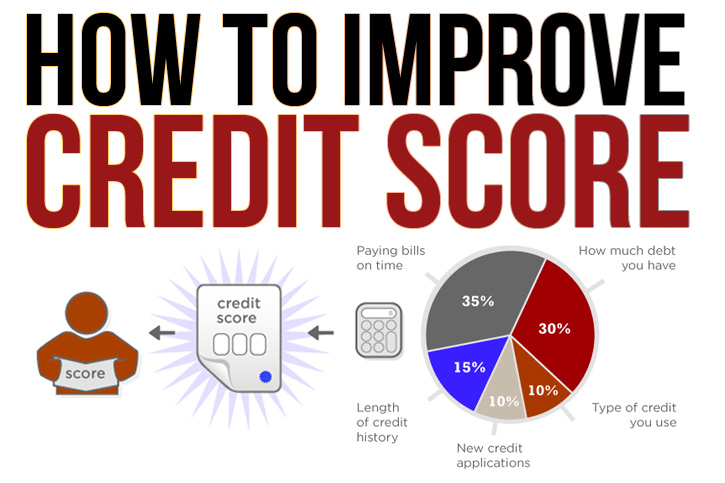
You already know that your credit history is important whenever you apply for a new loan or credit card account. You may even realize that your credit history matters far more often than simply during an application for financing. What you may not fully understanding is that how much your credit matters and knowing how to improve your credit are two completely different concepts.
If you have struggled with credit problems for a long time, overcoming those problems may seem like an insurmountable task. However, the harsh truth is that you are lying to yourself if you believe you are helpless to change your credit situation. In fact, you are the only person with the power to change it.
By taking the time to learn how credit works and emulating the practices of others with great credit, it is possible to be well on your way toward better credit before you know it. Great credit cannot be achieved overnight, of course, but you may be able to begin benefiting from even baby steps in the right direction.
Tip #1: Stop Ignoring the Potential for Credit Errors
Equifax, Trans Union, and Experian are the 3 major credit reporting agencies (CRAs) in the United States that are responsible for collecting the data used to build your credit reports. The Fair Credit Reporting Act (FCRA) requires the CRAs to maintain “reasonable procedures” to ensure the maximum possible accuracy of your credit reports. Even so, credit reporting mistakes still happen.
Although you do have the right to expect your credit reports to be accurate, it is actually your own personal responsibility to check your reports for errors. This means that you should regularly be reviewing copies of all 3 of your credit reports. When you review a credit report you should make sure that the information reported (accounts, balances, dates, payment information, etc.) is correct. If you discover mistakes then you can and likely should dispute them with the CRAs.
Tip #2: Change Your Credit Card Habits
Did you know that the act of revolving credit card balances from one month to the next can actually damage your credit scores? This is true even if you never make a single late payment on your credit card accounts.
Credit scoring models are designed to consider the debt to limit ratios on your credit cards (the relationship between your outstanding debt and your account limits). As you utilize larger amounts of your levels of your available limits, your credit scores will suffer. However, if you will break this habit and instead begin to pay off your credit card balances in full each month your credit scores will almost certainly be impacted positively. But, like with many credit strategies, this one will require some timing.
If you run up a large balance and pay it in full by the due date that’s great but it’s not going to help your scores. If you run up a large balance and pay it by the statement closing date then the balance will never appear on your credit reports. You’ve just hacked the credit scoring system!
Tip #3: Stop Making Late Payments
The most important factors considered in the calculation of your credit scores are, unsurprisingly, factors having to do with your payment history. Because payment history is weighted so heavily, late payments have the ability to damage your credit scores, and significantly. If you want to achieve better credit then it is imperative for you to break the late payment habit once and for all. Otherwise you are sure to fall frustratingly short of your goal again and again.